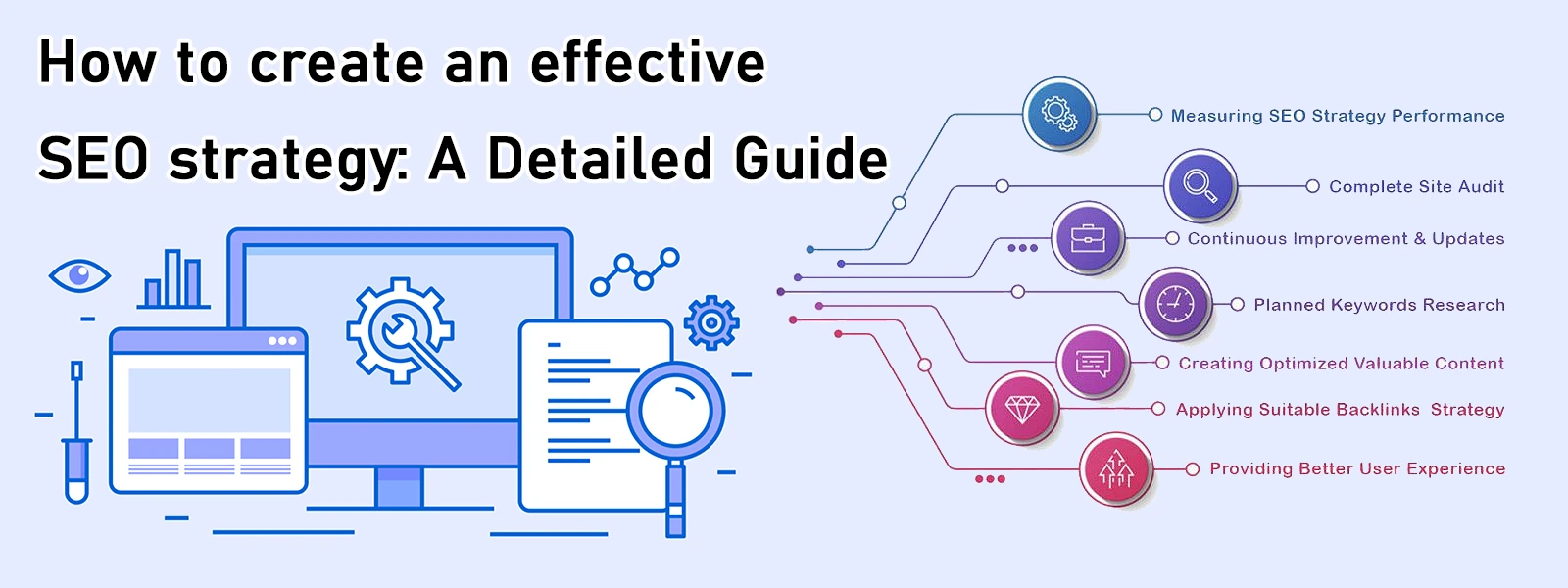
SEO Strategies: A Comprehensive Guide with Case Studies
January 9, 2025 | by kalaiselvan veeramani
Search Engine Optimization (SEO) is a critical component of digital marketing that involves optimizing your website to improve its visibility on search engine result pages (SERPs). A well-executed SEO strategy can drive organic traffic, enhance brand visibility, and boost conversions. This comprehensive guide will explore various SEO strategies, providing actionable insights and real-life case studies to help you achieve SEO success.
1. Understanding SEO
What is SEO?
SEO is the practice of optimizing your website to increase its visibility on search engines like Google, Bing, and Yahoo. By improving various elements of your website, SEO aims to rank higher in search results for relevant keywords and phrases, attracting organic (non-paid) traffic.
The Importance of SEO
SEO is essential for several reasons:
- Increased Visibility: Higher rankings on search engines lead to more impressions and clicks.
- Credibility and Trust: Websites that appear on the first page of search results are often perceived as more credible and trustworthy.
- Cost-Effectiveness: Compared to paid advertising, organic traffic from SEO is cost-effective.
- User Experience: SEO practices improve the overall user experience on your website.
2. Keyword Research
The Foundation of SEO
Keyword research is the cornerstone of SEO. It involves identifying the terms and phrases that your target audience uses to search for information. By targeting the right keywords, you can create content that aligns with user intent and attracts relevant traffic.
Tools for Keyword Research
Several tools can assist you in finding relevant keywords for your content, including Google Keyword Planner, Ahrefs, SEMrush, and Ubersuggest. These tools provide insights into search volume, competition, and keyword difficulty.
Case Study: HubSpot
Overview: HubSpot is a leading inbound marketing and sales platform that has effectively utilized keyword research to drive organic traffic.
Strategy: HubSpot’s SEO team conducted extensive keyword research to identify high-potential keywords related to their industry. They focused on long-tail keywords with lower competition but higher relevance to their audience.
Results: By targeting these keywords, HubSpot created high-quality content that addressed user intent, leading to significant improvements in their search rankings and organic traffic.
3. On-Page SEO
Optimizing Individual Pages
On-page SEO involves optimizing individual web pages to improve their rankings. Key elements include:
- Title Tags: Crafting compelling and keyword-rich title tags for each page.
- Meta Descriptions: Writing descriptive and engaging meta descriptions that encourage clicks.
- Header Tags: Using header tags (H1, H2, H3) to structure your content logically.
- Content Quality: Producing high-quality, valuable content that satisfies user intent.
- URL Structure: Creating clean, descriptive URLs that include relevant keywords.
- Internal Linking: Using internal links to guide users and search engines through your content.
Case Study: Brian Dean (Backlinko)
Overview: Brian Dean, the founder of Backlinko, is a well-known SEO expert who has successfully implemented on-page SEO strategies.
Strategy: Brian focused on creating comprehensive and in-depth content that covered topics thoroughly. He optimized title tags, meta descriptions, and header tags to target specific keywords.
Results: His efforts led to significant improvements in search rankings, with many of his blog posts ranking on the first page of Google for competitive keywords.
4. Content Marketing
The Role of Content in SEO
Content is king in the world of SEO. Creating high-quality, valuable content is essential for attracting and retaining users. Content marketing involves producing and distributing content that addresses the needs and interests of your audience.
Types of Content
There are various types of content you can create to engage your audience, including:
- Blog Posts: Informative articles that address user queries and provide valuable insights.
- Videos: Engaging visual content that can be shared on platforms like YouTube and social media.
- Infographics: Visual representations of data and information that are easy to understand and share.
- Ebooks: In-depth guides that provide comprehensive information on a specific topic.
- Case Studies: Detailed accounts of successful projects and strategies.
Case Study: Buffer
Overview: Buffer is a social media management platform that has effectively used content marketing to drive organic traffic and build brand authority.
Strategy: Buffer’s content team created high-quality blog posts, case studies, and social media content that addressed the pain points of their target audience. They focused on producing valuable and shareable content that resonated with their readers.
Results: Buffer’s content marketing efforts led to significant increases in organic traffic, social media engagement, and brand awareness.
5. Technical SEO
Enhancing Technical Aspects
Technical SEO focuses on the technical aspects of your website to ensure it is easily crawlable and indexable by search engines. Key elements include:
- Site Speed: Ensuring your website loads quickly to reduce bounce rates.
- Mobile-Friendliness: Optimizing your website for mobile devices to enhance user experience.
- XML Sitemaps: Creating and submitting XML sitemaps to help search engines index your pages.
- Robots.txt: Using the robots.txt file to control which pages search engines can crawl.
- Structured Data: Implementing schema markup to help search engines understand your content better.
Case Study: Etsy
Overview: Etsy is an online marketplace for handmade and vintage items. The company implemented technical SEO strategies to improve its search engine performance.
Strategy: Etsy’s SEO team focused on optimizing site speed, improving mobile-friendliness, and implementing structured data. They also conducted regular technical audits to identify and fix any issues.
Results: These technical SEO improvements led to higher search rankings, increased organic traffic, and a better overall user experience.
6. Link Building
The Importance of Backlinks
Link building is the process of acquiring high-quality backlinks from other websites. Backlinks are a critical ranking factor, as they signal to search engines that your content is valuable and trustworthy.
Effective Link Building Strategies
Effective link-building strategies include:
- Guest Posting: Writing high-quality guest posts for other reputable blogs in your industry.
- Broken Link Building: Finding broken links on other websites and offering your content as a replacement.
- Content Promotion: Promoting your content on social media, forums, and other platforms to attract backlinks.
- Building Relationships: Networking with influencers and other industry professionals to earn valuable backlinks.
Case Study: Ahrefs
Overview: Ahrefs is a leading SEO toolset provider that has successfully implemented link-building strategies to enhance its online presence.
Strategy: Ahrefs’ SEO team focused on creating valuable and shareable content, such as in-depth guides and case studies. They also conducted outreach campaigns to build relationships with industry influencers and acquire high-quality backlinks.
Results: Ahrefs’ link-building efforts led to significant improvements in search rankings, organic traffic, and brand authority.
7. Local SEO
Optimizing for Local Searches
Local SEO is the practice of optimizing your website to attract local traffic from search engines. It is particularly important for businesses that serve specific geographic areas.
Key Elements of Local SEO
Key elements of local SEO include:
- Google My Business: Creating and optimizing your Google My Business profile to appear in local search results.
- NAP Consistency: Ensuring your business name, address, and phone number (NAP) are consistent across all online platforms.
- Local Citations: Listing your business in local directories and online listings.
- Customer Reviews: Encouraging satisfied customers to leave positive reviews on platforms like Google and Yelp.
Case Study: Moz Local
Overview: Moz Local is a tool provided by Moz that helps businesses manage their local SEO efforts. Moz Local implemented its own strategies to improve its local search visibility.
Strategy: Moz Local focused on optimizing its Google My Business profile, ensuring NAP consistency, and acquiring local citations. They also encouraged customers to leave positive reviews and responded to reviews promptly.
Results: These local SEO efforts led to increased visibility in local search results, higher organic traffic from local searches, and improved customer engagement.
8. Monitoring and Analytics
The Importance of Monitoring SEO Efforts
Monitoring your SEO efforts is essential to understand what works and what doesn’t. Use analytics tools to track your performance and make data-driven decisions.
Key Metrics to Monitor
Key metrics to monitor include:
- Organic Traffic: The number of visitors coming to your website from search engines.
- Bounce Rate: The percentage of visitors who leave your website after viewing only one page.
- Average Session Duration: The average amount of time visitors spend on your website.
- Keyword Rankings: The positions of your target keywords in search results.
- Backlinks: The number and quality of backlinks to your website.
Tools for Monitoring SEO
Several tools can help you monitor your SEO efforts, including Google Analytics, Google Search Console, Ahrefs, and SEMrush. These tools provide valuable insights into your website’s performance and help you identify areas for improvement.
Case Study: Neil Patel
Overview: Neil Patel is a renowned digital marketer and SEO expert who has successfully implemented monitoring and analytics strategies to improve his website’s performance.
Strategy: Neil Patel used tools like Google Analytics, Google Search Console, and Ahrefs to track key SEO metrics. He regularly analyzed the data to identify trends, uncover opportunities, and refine his SEO strategies.
Results: By continuously monitoring and analyzing his website’s performance data, Neil Patel was able to identify trends, uncover opportunities, and refine his SEO strategies. This data-driven approach led to sustained improvements in search rankings, organic traffic, and user engagement.
9. Voice Search Optimization
The Rise of Voice Search
Voice search is becoming increasingly popular, with more users relying on voice assistants like Siri, Alexa, and Google Assistant to find information. Optimizing your content for voice search can help you capture this growing segment of users.
Key Strategies for Voice Search Optimization
Key strategies for voice search optimization include:
- Natural Language Processing: Optimize your content to match the conversational language used in voice searches.
- Featured Snippets: Aim to rank for featured snippets, as voice assistants often read these out loud in response to queries.
- Local SEO: Ensure your local SEO is in top shape, as many voice searches are location-based.
- Long-Tail Keywords: Target long-tail keywords and phrases that reflect the way people speak.
Case Study: Domino’s Pizza
Overview: Domino’s Pizza implemented voice search optimization to enhance its customer experience and capture a broader audience.
Strategy: Domino’s optimized its website content to match natural language queries and targeted long-tail keywords. They also integrated voice search functionality into their app, allowing customers to order pizza using voice commands.
Results: These efforts led to increased website traffic, higher conversion rates, and improved customer satisfaction.
10. Mobile SEO
The Importance of Mobile Optimization
With the rise of mobile internet usage, optimizing your website for mobile devices is crucial. Mobile SEO ensures that your website provides a seamless and user-friendly experience on smartphones and tablets.
Key Elements of Mobile SEO
Key elements of mobile SEO include:
- Responsive Design: Use responsive design to ensure your website adapts to different screen sizes and devices.
- Fast Loading Times: Optimize your website’s speed to reduce loading times on mobile devices.
- Mobile-Friendly Content: Ensure your content is easy to read and navigate on mobile devices.
- Mobile-First Indexing: Google uses mobile-first indexing, meaning it primarily uses the mobile version of your site for ranking and indexing.
Case Study: Airbnb
Overview: Airbnb optimized its website for mobile devices to improve user experience and capture mobile traffic.
Strategy: Airbnb implemented responsive design, optimized site speed, and ensured their content was mobile-friendly. They also focused on simplifying navigation and enhancing the overall mobile user experience.
Results: These mobile SEO efforts led to increased mobile traffic, higher engagement rates, and improved user satisfaction.
11. International SEO
Optimizing for Global Audiences
If your business serves a global audience, international SEO is essential for optimizing your website for different countries and languages. International SEO helps you reach and engage users from various regions.
Key Strategies for International SEO
Key strategies for international SEO include:
- Hreflang Tags: Use hreflang tags to indicate the language and region of your web pages.
- Local Domain Extensions: Use country-specific domain extensions (e.g., .uk, .fr) to target specific regions.
- Localized Content: Create content tailored to the cultural and linguistic preferences of different regions.
- International Keyword Research: Conduct keyword research for each target region to identify relevant keywords.
Case Study: Nike
Overview: Nike implemented international SEO strategies to expand its global reach and engage audiences in different regions.
Strategy: Nike used hreflang tags, country-specific domain extensions, and localized content to optimize its website for various regions. They also conducted international keyword research to target relevant keywords in each market.
Results: These international SEO efforts led to increased visibility, higher search rankings, and improved engagement in multiple regions.
12. Video SEO
The Power of Video Content
Video content is a powerful tool for engaging audiences and driving traffic. Optimizing your videos for search engines can enhance their visibility and attract more viewers.
Key Strategies for Video SEO
Key strategies for video SEO include:
- Keyword Optimization: Use relevant keywords in your video titles, descriptions, and tags.
- Transcriptions: Provide transcriptions of your videos to improve accessibility and search engine understanding.
- Thumbnail Optimization: Use eye-catching thumbnails to attract clicks and views.
- Video Sitemaps: Create video sitemaps to help search engines index your video content.
Case Study: Moz
Overview: Moz, a leading SEO software provider, effectively utilized video SEO to engage their audience and drive traffic.
Strategy: Moz created high-quality video content, optimized video titles and descriptions with relevant keywords, and provided transcriptions. They also used eye-catching thumbnails and created video sitemaps to improve indexing.
Results: These video SEO efforts led to increased video views, higher engagement rates, and improved search rankings for their video content.
13. User Experience (UX) and SEO
The Connection Between UX and SEO
User experience (UX) plays a crucial role in SEO. Search engines prioritize websites that provide a positive user experience, as it indicates quality and relevance.
Key Elements of UX for SEO
Key elements of UX that impact SEO include:
- Site Navigation: Ensure your website is easy to navigate, with clear and intuitive menus.
- Readability: Use clear and concise language, and break up content with headings, bullet points, and images.
- Engagement: Encourage user engagement through interactive elements, such as comment sections, quizzes, and polls.
- Accessibility: Ensure your website is accessible to all users, including those with disabilities.
Case Study: Zappos
Overview: Zappos, an online shoe and clothing retailer, focused on enhancing user experience to improve SEO performance.
Strategy: Zappos simplified site navigation, improved readability, and added interactive elements to engage users. They also ensured their website was accessible to all users.
Results: These UX improvements led to higher user satisfaction, increased organic traffic, and improved search rankings.
14. Social Media and SEO
The Role of Social Media in SEO
While social media signals are not a direct ranking factor, they can indirectly impact SEO by driving traffic, increasing engagement, and building brand authority.
Key Strategies for Social Media and SEO
Key strategies for leveraging social media for SEO include:
- Content Promotion: Share your content on social media platforms to increase visibility and drive traffic.
- Engagement: Engage with your audience by responding to comments, asking questions, and encouraging discussions.
- Social Sharing: Make it easy for users to share your content on social media by adding social sharing buttons.
- Brand Building: Use social media to build your brand authority and credibility.
Case Study: Coca-Cola
Overview: Coca-Cola effectively utilized social media to enhance its online presence and indirectly boost its SEO performance.
Strategy: Coca-Cola shared engaging and shareable content on social media platforms, encouraged user engagement, and built a strong brand presence. They also leveraged social media campaigns to drive traffic to their website.
Results: These social media efforts led to increased brand visibility, higher organic traffic, and improved user engagement.
Conclusion
Implementing effective SEO strategies is essential for driving organic traffic, enhancing brand visibility, and achieving long-term success in the digital landscape. By focusing on keyword research, on-page optimization, content marketing, technical SEO, link building, local SEO, voice search optimization, mobile SEO, international SEO, video SEO, user experience, and social media, you can create a comprehensive SEO strategy that delivers results.
The case studies presented in this guide highlight the real-world application of these strategies and demonstrate their potential impact. By learning from these examples and continuously refining your SEO efforts, you can stay ahead of the competition and achieve lasting success.
RELATED POSTS
View all